Golden Retriever
The sunny Scottish gundog everyone loves. The Golden Retriever was bred in the Scottish Highlands in the 1800s. Its history, size, gentle nature, coat care and daily exercise needs.
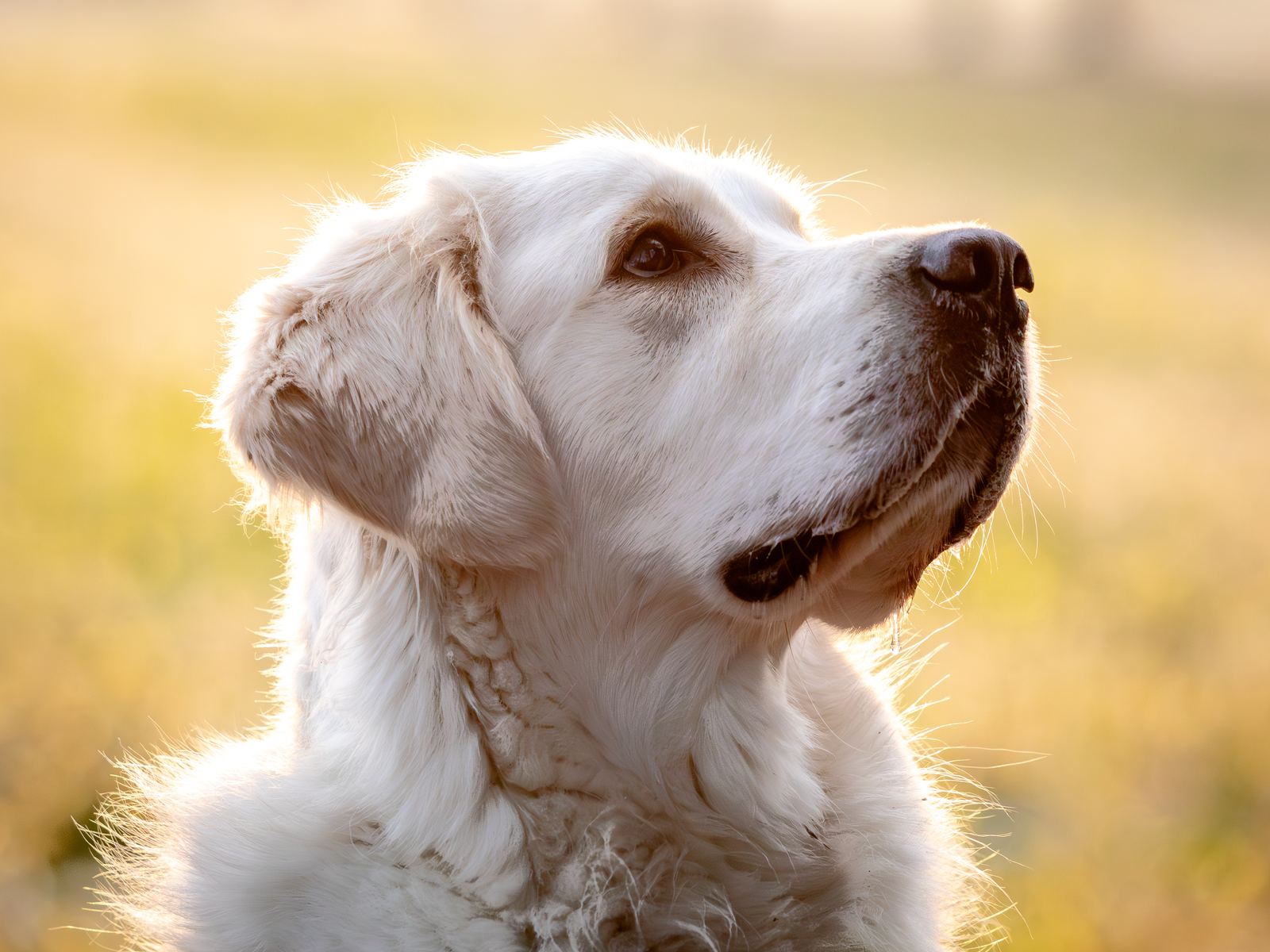
Golden hour, golden dog: Dietmar Rabich, CC BY-SA 4.0
Bred in the Highlands
The Golden Retriever began on Guisachan, a Highland estate owned by Dudley Marjoribanks, who later became Lord Tweedmouth. In 1868 he paired a yellow Flat-coated Retriever named Nous with a Tweed Water Spaniel named Belle, and he kept careful records as later litters added a little setter, Labrador and Bloodhound blood.
His goal was a dog that could fetch shot game from cold water and rough ground without damaging it. That soft mouth is still part of the breed today. Britain's Kennel Club recognised the Golden Retriever as its own breed in 1913.
Size and looks
According to the American Kennel Club, males stand about 23 to 24 inches at the shoulder and weigh 65 to 75 pounds, while females are a little smaller. The coat ranges from pale cream to deep gold, with feathering on the legs, chest and tail.
That beautiful coat is a double coat: a dense undercoat for warmth under a water-repellent outer layer. It looks its best with brushing a few times a week, and more often during the seasonal sheds when loose hair seems to appear everywhere.
Why families love them
Goldens are famous for being friendly, eager to please and easy to train, which is why so many work as guide dogs and therapy dogs. Every dog is an individual, though, and good early socialisation still matters.
They are sporting dogs at heart. Most need solid daily exercise, such as long walks, swimming or games of fetch, plus some brain work like training or puzzle toys. A bored Golden may chew or dig to entertain itself.
Many Goldens keep a puppyish streak well into adulthood, and they often carry toys around the house or bring a shoe to the door as a greeting. That retrieving instinct makes fetch, swimming and scent games natural favourites. Starting training early, with short and upbeat sessions, helps a big, bouncy puppy grow into a polite adult that walks nicely on a lead and greets visitors calmly.
Health and care basics
The AKC lists a life expectancy of about 10 to 12 years. Responsible breeders screen parents for problems known in the breed, such as hip and elbow conditions, and buyers can ask to see those health results.
Keeping a Golden lean is one of the kindest things an owner can do, because these food-loving dogs gain weight easily. Regular checkups help catch issues early, and your vet is the right person to ask about diet, exercise and any health worries.
- Golden hour, golden dog: Dietmar Rabich, CC BY-SA 4.0
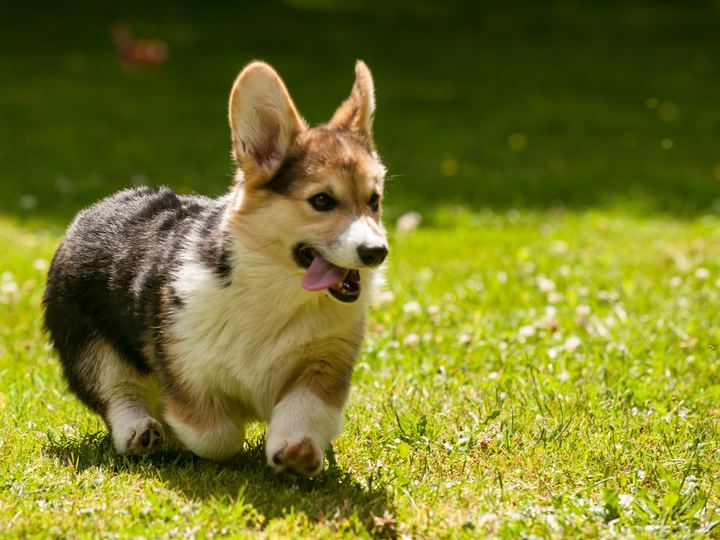
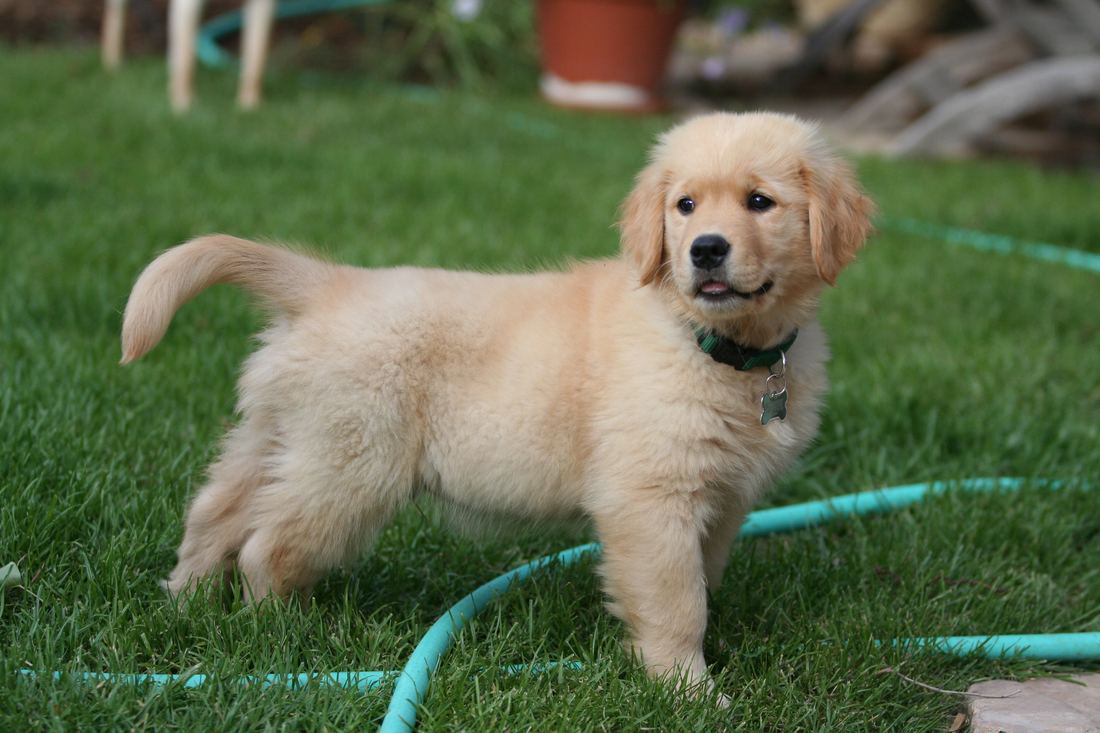
- A puppy on the lawn: Scott, CC BY 2.0
Text written by Most Beautiful Pets.