Pembroke Welsh Corgi
The short-legged herder from Wales. The Pembroke Welsh Corgi is a small cattle herder from Pembrokeshire. Its history, size, foxy looks, shedding and how to keep one happy.
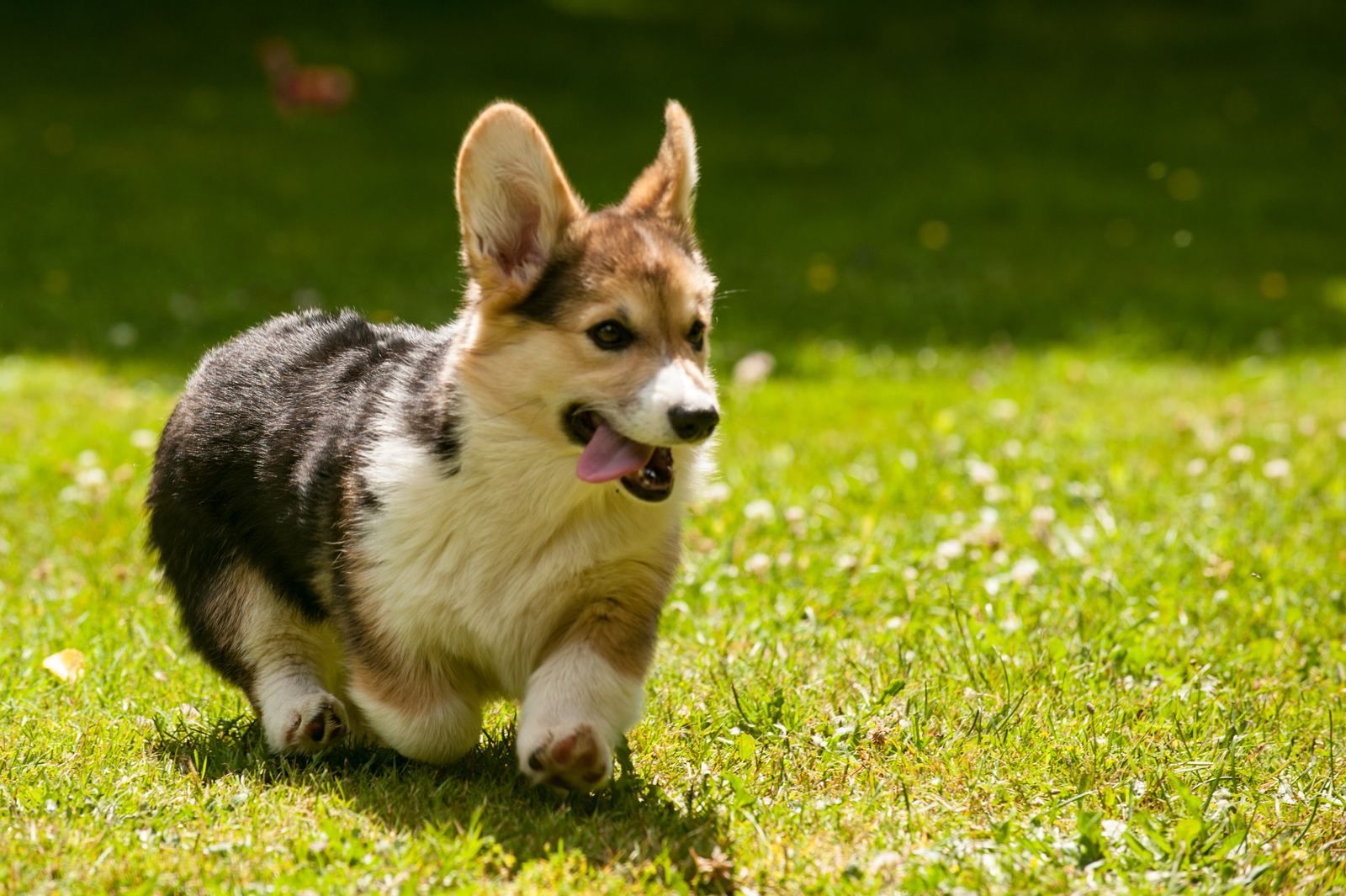
Corgi on the move: Daniel Stockman, CC BY-SA 2.0
A big dog in a small body
The Pembroke Welsh Corgi comes from Pembrokeshire in south-west Wales, where farmers used it to move cattle. Being low to the ground was useful: a Corgi could nip at a cow's heels and duck under a kick. The name is usually explained as Welsh for dwarf dog.
There are two Corgi breeds. Britain's Kennel Club grouped the Pembroke and the Cardigan together as Welsh Corgis in 1928, then recognised them as separate breeds in 1934. The Pembroke is the one with the foxy face and, often, a very short tail.
Size and coat
The AKC describes the Pembroke as 10 to 12 inches tall, with males up to about 30 pounds and females up to about 28. Despite the short legs, these are sturdy, athletic dogs built for a day's work.
Colours include red, sable, fawn and black and tan, usually with white markings. The double coat sheds all year and more heavily in spring and autumn, so a good brush a few times a week keeps fur under control. Shaving a double coat to reduce shedding is generally not recommended, because the coat helps protect the skin.
Personality
Pembrokes are bright, alert and affectionate, and they tend to love being part of whatever the family is doing. Their herding past shows: some will try to round up children or other pets, and many are enthusiastic barkers.
Positive, reward-based training channels that clever brain well. Corgis often enjoy dog sports such as obedience, rally and herding trials.
Corgis are often happiest with a job to do. Short training sessions, food puzzles and sniffing games use their sharp minds, and teaching a solid recall and a calm settle on a mat pays off at home. Early socialisation with people, children and other dogs helps a young Corgi grow into a confident, friendly adult rather than a nervous or bossy one.
Keeping a Corgi healthy
Long backs and short legs mean weight control really matters, because extra pounds add strain. Measured meals and daily walks help, and some owners use ramps to cut down on big jumps from sofas.
The AKC lists a life expectancy of 12 to 13 years. Ask a breeder about health screening for the parents, and talk to your vet about the right exercise and diet for your own dog.
- Corgi on the move: Daniel Stockman, CC BY-SA 2.0
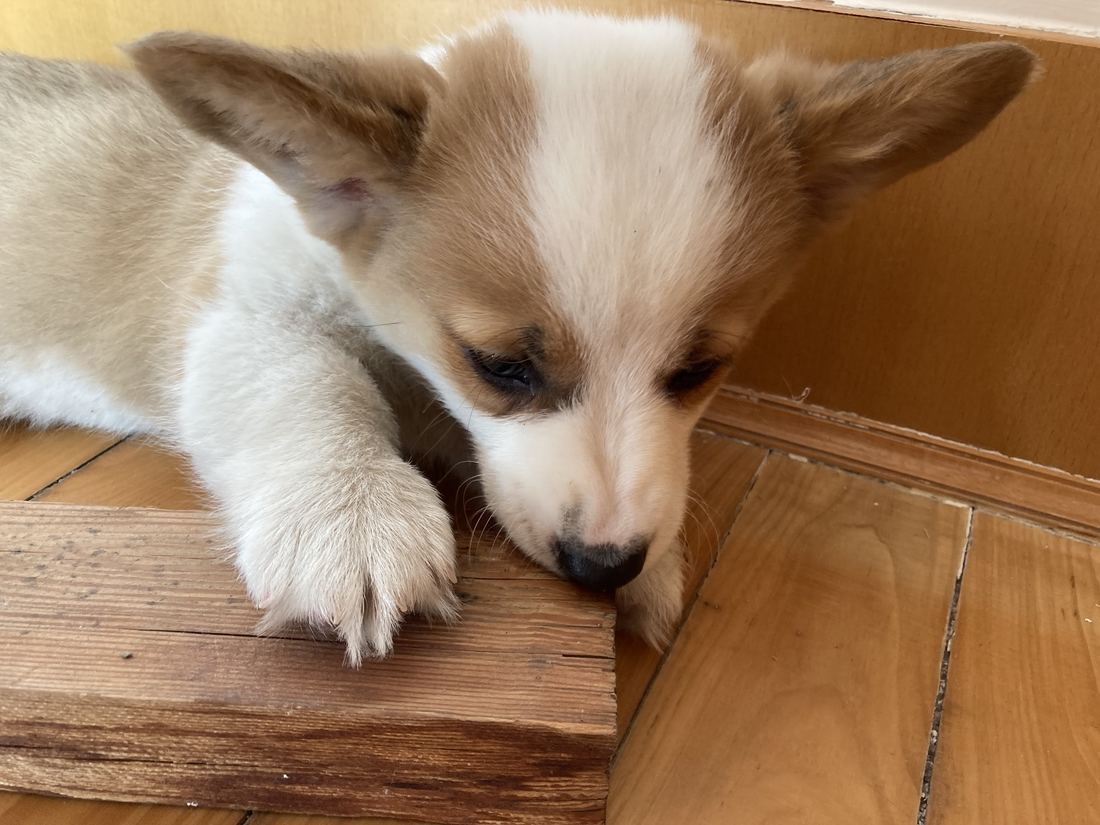
- Puppy nap time: Public class, CC BY-SA 4.0
Text written by Most Beautiful Pets.