Betta Fish
Flowing fins from Southeast Asia. Betta fish come from Southeast Asia and can breathe air at the surface. Their history, colours, why males live alone and how to set up a tank.
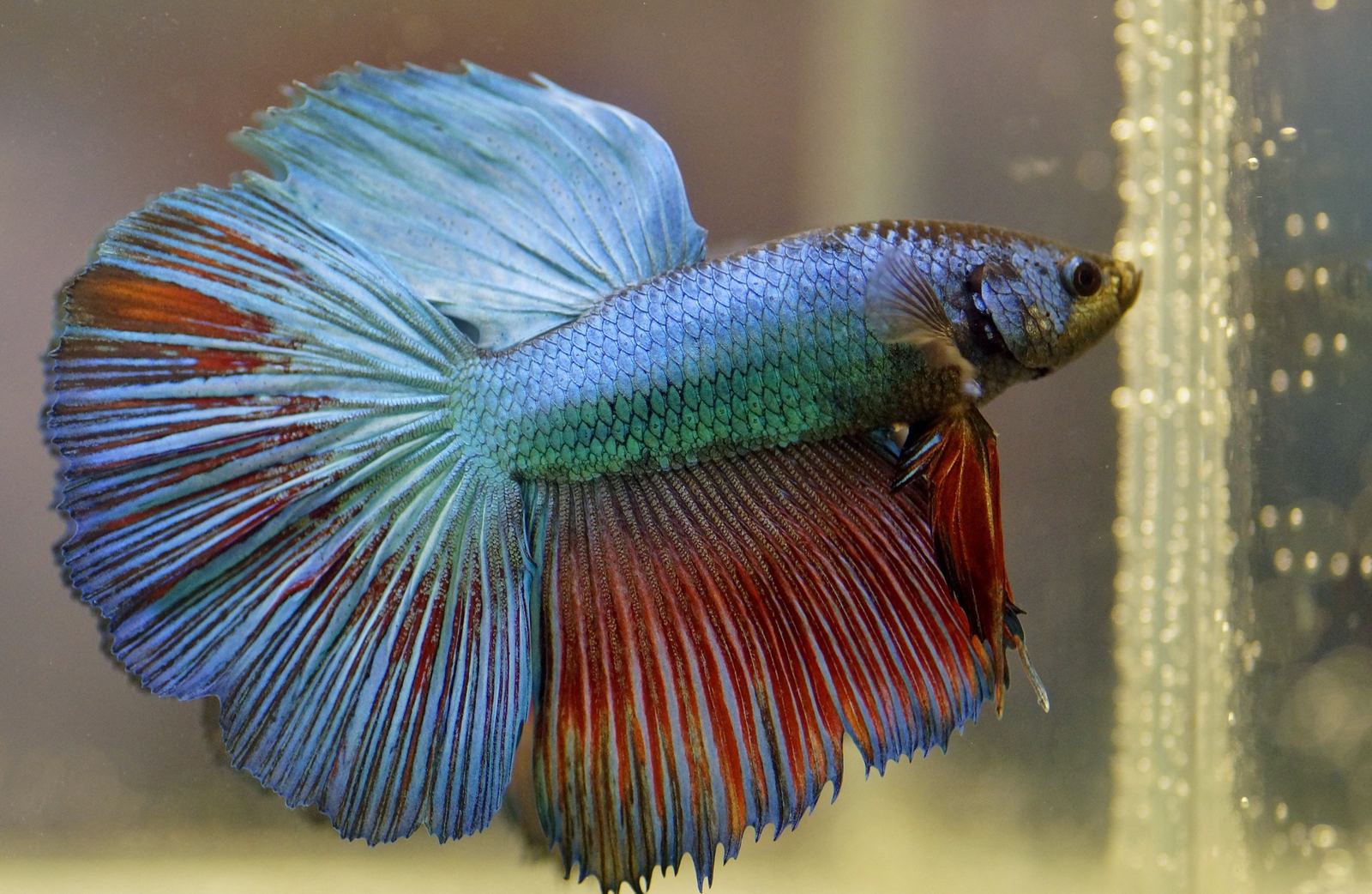
A male betta: ivabalk https://pixabay.com/pt/users/ivabalk-782511/, CC0
A fish with a long history
The betta, also called the Siamese fighting fish, is native to the shallow ponds, rice paddies and marshes of mainland Southeast Asia, especially central Thailand. Genetic work suggests people there began domesticating it at least about 1,000 years ago, making it one of the earliest fish kept by people.
Wild bettas are fairly plain. The flowing fins and jewel colours seen in pet shops today are the result of generations of selective breeding. In 2019 Thailand named the betta its national aquatic animal.
It breathes air
Bettas have a special labyrinth organ that lets them gulp air from the surface, which helps them survive in warm, shallow water with little oxygen. You will often see a betta rise to the top for a quick breath.
That ability does not mean bettas belong in tiny bowls. Clean, warm, filtered water keeps them healthy, and a well-planted tank with a gentle current gives them places to rest and explore.
Why males live alone
Male bettas are territorial and will fight other males, so they must never share a tank. Some keepers house a betta with calm, small tank mates in a larger aquarium, but bettas kept with other fish need generous space, about 45 litres or more.
Males sometimes build a nest of bubbles at the water surface. It is a natural breeding behaviour and a fun thing to spot, but not a sign that anything is wrong.
Setting up a betta home
Bettas are tropical fish, so most tanks need a heater and a thermometer to keep the water steady and warm. A filter with a gentle flow, regular partial water changes and live or silk plants make a good start, and a lid helps stop jumping.
Feed small portions of a food made for bettas and remove leftovers. If your fish stops eating, clamps its fins or shows spots or swelling, ask an aquatic vet or a knowledgeable fish store for advice.
It is a good idea to set up and cycle a new tank before the fish arrives, so that helpful bacteria can build up in the filter and break down waste. Test kits from a pet store make it easy to check the water. Adding a new betta slowly, by floating its bag and mixing in a little tank water, helps it adjust with less stress.
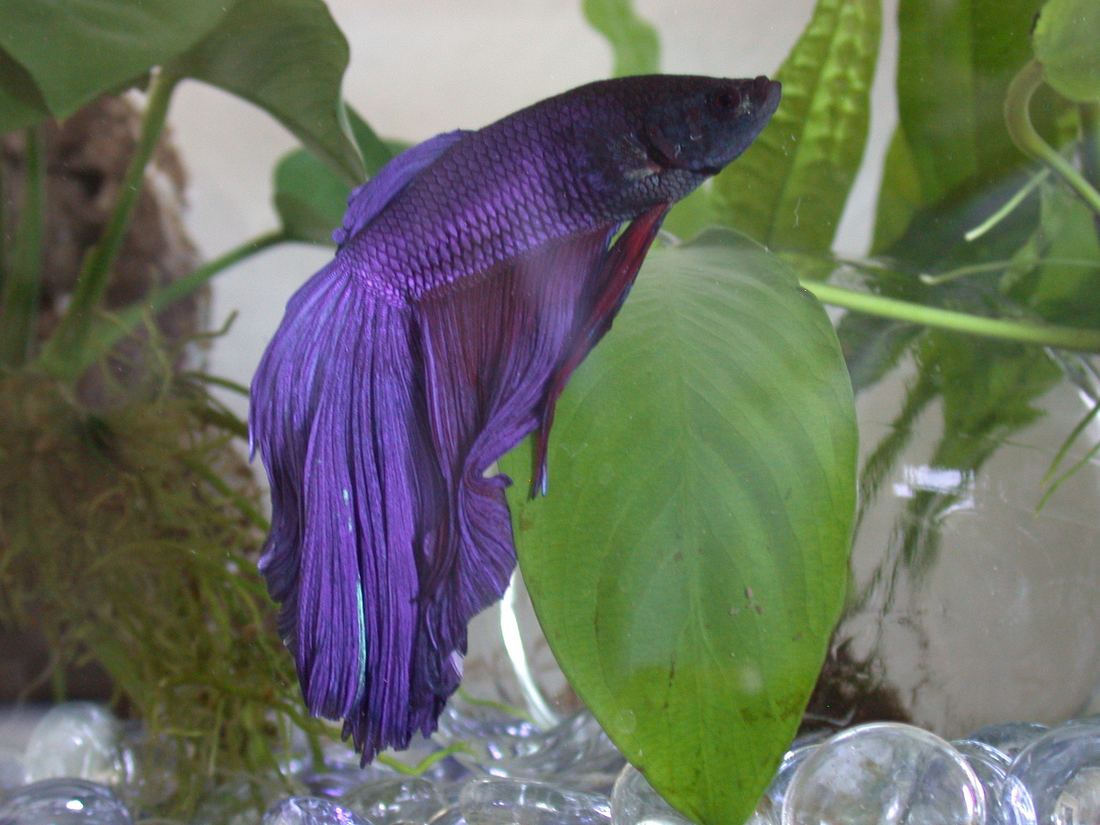
- A male betta: ivabalk https://pixabay.com/pt/users/ivabalk-782511/, CC0
- Among the plants: Dvortygirl, CC BY-SA 3.0
Text written by Most Beautiful Pets.